
The Best Time to Visit Sri Lanka
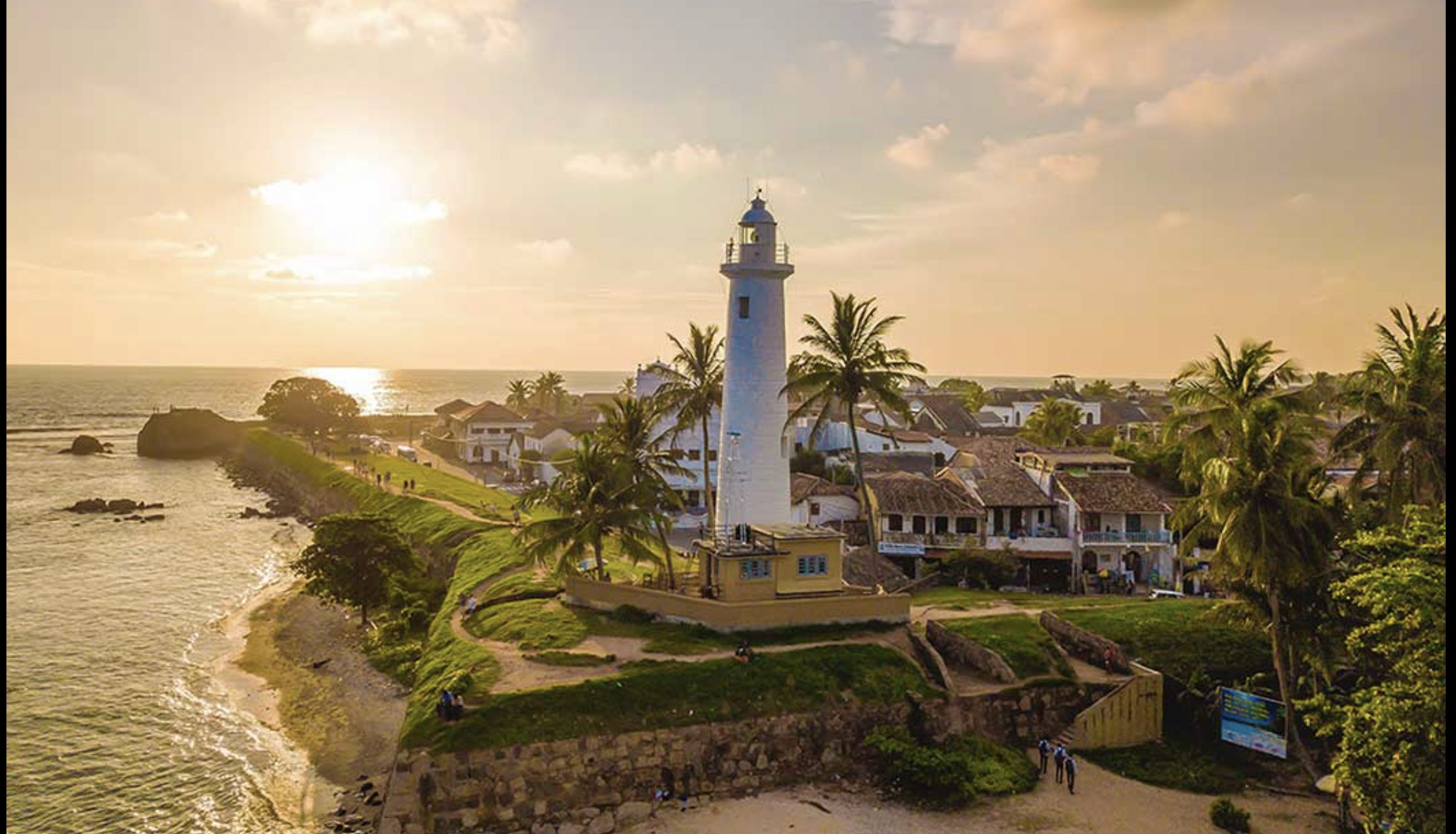
Galle Fort Lighthouse at sunset on Sri Lanka’s southern coast, rising from within the historic walls of the Dutch Old Fort, above the tranquil waters of the Indian Ocean.
Sri Lanka reveals a different face with every season. Choose yours…
❧
Sri Lanka is often described as a year-round destination and, in many respects, it truly is. The island's two monsoon systems mean that when rain arrives in one region, another part of the country is usually enjoying clear skies and calm seas. With a little planning, it is possible to combine wildlife, beaches, culture and the Hill Country in almost any month of the year.
❧
For travellers approaching the island for the first time, understanding these seasonal patterns makes planning far easier. The south and west coasts generally shine from December to March, while the east coast enjoys its finest conditions from late spring through early autumn. Inland, the ancient cities of the Cultural Triangle remain accessible throughout the year, with early mornings offering the most rewarding light and cooler temperatures.
❧
Wildlife also follows these rhythms. In the dry months of mid-year, elephants gather around the reservoirs of Minneriya National Park and neighbouring parks in notable numbers. Along the southern coast, whale watching becomes particularly rewarding near Mirissa from late winter onwards, when blue whales and other marine life move through the deeper offshore waters.
❧
For those drawn to cooler landscapes, the tea-covered hills of the Hill Country offer misty mornings, fresh air and some of the island's most beautiful journeys. The train from Kandy to Ella winds slowly through tea plantations, forested valleys and mountain villages, making it one of the most memorable rail journeys in Asia.
❧
The seasonal character of Sri Lanka therefore depends less on whether to visit and more on where to travel at different times of year. The southern and western shores offer their best weather through the northern winter, while the beaches of the east coast, including the surf breaks of Arugam Bay, shine during the middle months of the year.
❧
Across the island, cultural life also follows the calendar. The processions and ceremonial pageantry of the Kandy Esala Perahera illuminate the hill capital in July or August, while traditional New Year celebrations in April bring communities together across the country in a deeply rooted national festival.
❧
Taken together, these rhythms create a destination that rewards thoughtful timing rather than strict seasonal limits. Whether exploring ancient cities, watching elephants at the edge of a reservoir, travelling through the tea country or walking along an Indian Ocean beach, Sri Lanka offers remarkable variety throughout the year.
❧
The seasonal guide below explains what each period brings, helping you choose the months that best match the experiences you wish to include in your journey.